
Software
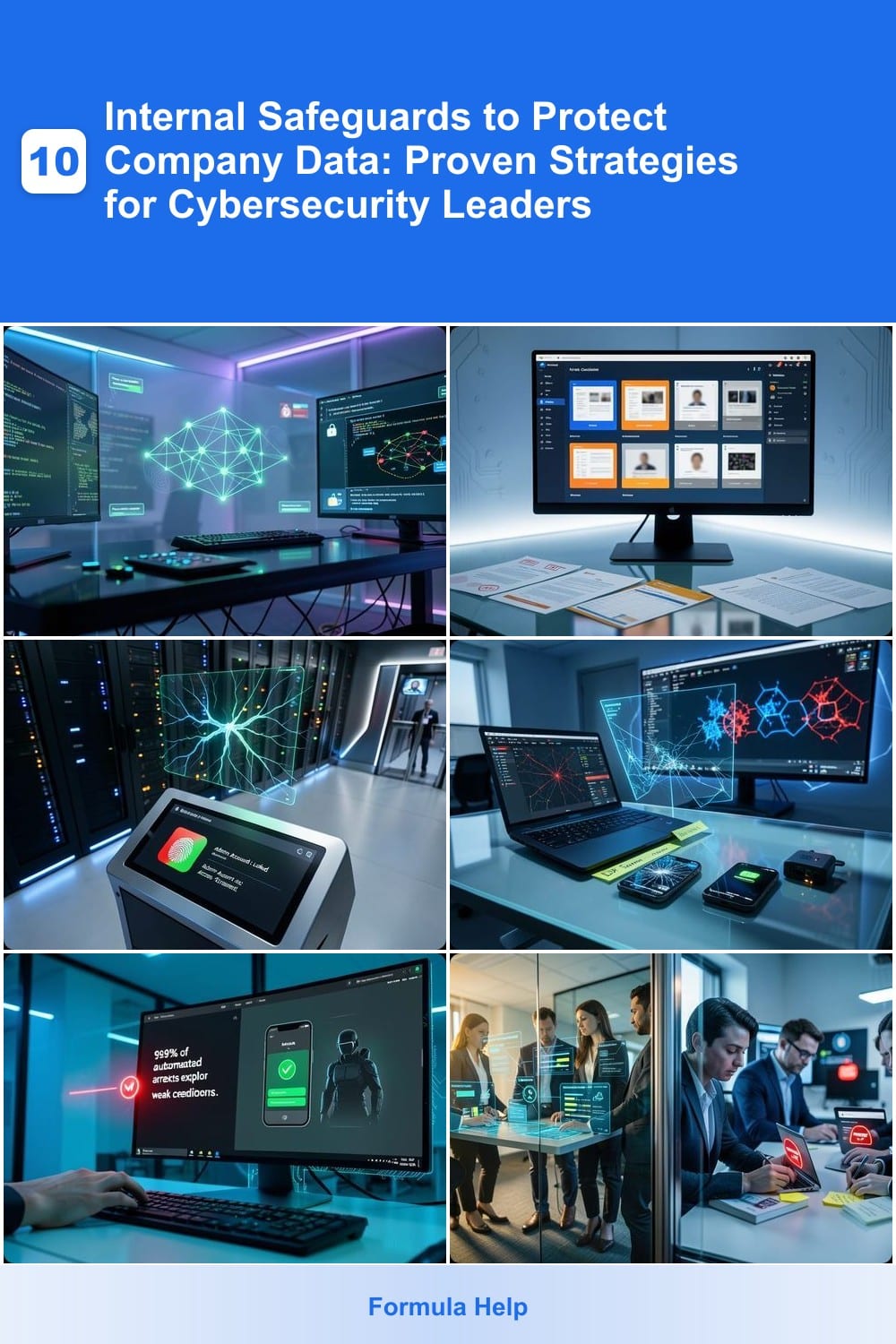
Cyber threats evolve daily, but internal safeguards remain your first line of defense. These 10 proven strategies empower cybersecurity leaders to build resilient data protection frameworks that adapt to modern risks while aligning with business operations.
Zero Trust Network Access Implementation

Forget trusting users just because they’re inside your network—Zero Trust Network Access (ZTNA) flips the script by demanding verification for every connection, every time. Unlike traditional VPNs that assume internal users are safe, ZTNA treats every request as a potential threat, slashing lateral movement risks by up to 90% in hybrid cloud setups.
This model relies on continuous authentication (not just logins), micro-segmentation to isolate resources, and identity-based access controls that adapt in real time. Solutions like BeyondCorp Enterprise or Cisco Secure Access by Duo integrate seamlessly with SAML/OAuth for frictionless user experiences while enforcing least-privilege access by default. The result? Even if an attacker breaches one segment, they hit a dead end.
Enterprises with multi-cloud deployments or remote workforces see the biggest payoff—especially those handling regulated data (HIPAA, GDPR, PCI DSS). Start with piloting ZTNA for high-risk applications before rolling out company-wide. ⚡
Automated Data Classification Policies
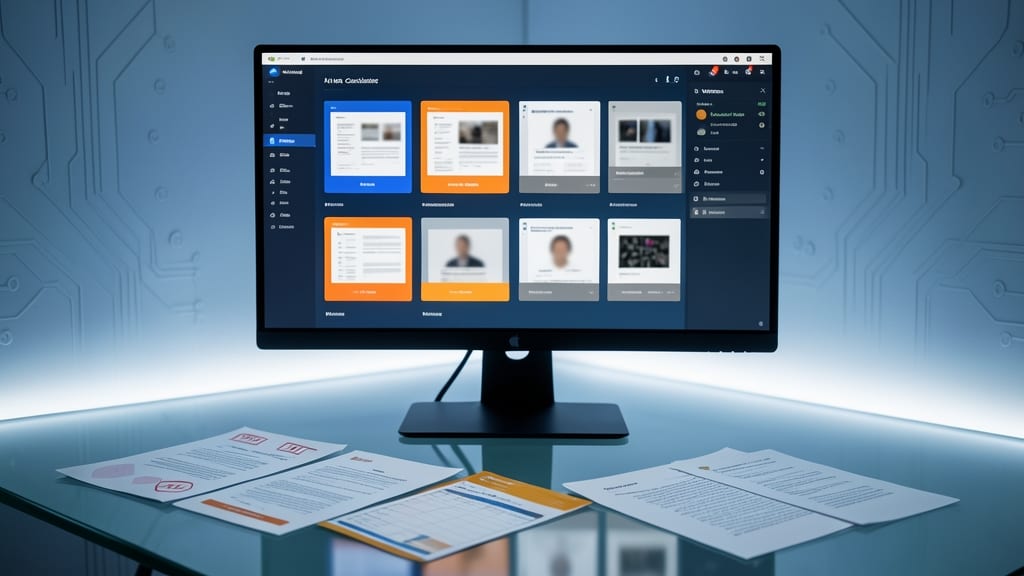
Tired of sifting through documents to find sensitive data? Automated data classification policies use AI to scan, tag, and categorize files in real-time—no manual tagging required. Tools like Microsoft Purview or Varonis analyze content, metadata, and context to apply labels such as PII, financial records, or proprietary data, ensuring compliance with regulations like GDPR or HIPAA.
This isn’t just about labeling—it’s about granular access controls. Once classified, the system enforces role-based permissions, so only authorized users can view or edit sensitive files. For example, a confidential contract auto-tags itself and restricts access to legal and finance teams only. The AI continuously learns from new data patterns, adapting to evolving threats like insider risks or accidental leaks.
Ideal for legal firms, healthcare providers, or financial institutions, this safeguard cuts compliance audits from hours to minutes and reduces human error. With 90% accuracy in classification (and improving), it’s a game-changer for teams drowning in unstructured data. ✨
Privileged Access Management System

Not all cyber threats come from outside—sometimes, the biggest risks sit right inside your organization. A Privileged Access Management (PAM) system acts as a digital bouncer for admin accounts, ensuring only authorized personnel access critical systems when absolutely necessary.
With just-in-time (JIT) access, admins get temporary elevated privileges that expire automatically after use, eliminating standing credentials that hackers love to exploit. Session monitoring tracks every keystroke and command, with AI flagging suspicious behavior in real-time. Solutions like CyberArk or BeyondTrust integrate with Active Directory and cloud platforms, reducing credential abuse by up to 90% in regulated sectors.
This isn’t just for Fortune 500s—financial institutions, healthcare providers, and government agencies rely on PAM to meet compliance requirements like HIPAA, PCI DSS, and GDPR. For any business handling sensitive data, it’s the difference between a secure environment and a ticking time bomb. ✨
Endpoint Detection and Response Deployment

When laptops, phones, and IoT devices become the weakest links in your security chain, Endpoint Detection and Response (EDR) steps in as your real-time watchdog. Unlike traditional antivirus, EDR doesn’t just react to known threats—it hunts for suspicious behavior across every device, from executive laptops to employee smartphones.
Modern EDR solutions like CrowdStrike or SentinelOne offer AI-driven behavioral analysis, automated threat containment, and detailed forensic reporting—all while running silently in the background. They detect zero-day exploits, lateral movement by attackers, and even insider threats by monitoring fileless malware and unusual process chains. The best tools integrate with SIEM systems for centralized visibility, making it easier to correlate endpoint alerts with broader network events.
This is non-negotiable for companies with remote teams or BYOD policies, where traditional perimeter defenses like firewalls no longer suffice. For security teams drowning in alerts, EDR transforms raw data into actionable insights, reducing mean time to detect (MTTD) by up to 80%. 💻
Multi-Factor Authentication Enforcement

Passwords alone won’t cut it anymore—99.9% of automated attacks exploit weak credentials, and multi-factor authentication (MFA) is the simplest yet most effective way to stop them. Unlike previous items focusing on network segmentation or endpoint monitoring, MFA adds an extra layer of verification that even compromised passwords can’t bypass.
Modern MFA solutions like Duo Security or Microsoft Authenticator offer push notifications, biometric scans, or hardware tokens—all configurable to fit your risk tolerance. For executives or cloud-based apps, enforcing time-based one-time passwords (TOTP) or FIDO2 keys ensures only authorized users gain access, even if credentials are leaked. The best part? It integrates seamlessly with SSO platforms like Okta or Azure AD, reducing friction for employees while boosting security.
This isn’t just for tech giants—small businesses with remote teams or financial institutions handling sensitive transactions see immediate ROI. With zero trust architectures already in place, MFA becomes the final gatekeeper against credential stuffing and brute-force attacks. 💪
Regular Security Awareness Training Programs

Your employees might be your strongest cybersecurity asset—or your biggest vulnerability. Regular security awareness training programs turn human error from a weakness into a strength by blending interactive phishing simulations with compliance-focused modules, cutting successful social engineering attacks by 70% annually.
These programs go beyond generic cybersecurity tips by simulating real-world attacks (like credential harvesting or fake invoice scams) and tracking individual progress. Platforms like KnowBe4 or PhishMe offer customizable campaigns that adapt to your industry’s threats, while compliance modules ensure policies like GDPR or HIPAA are top-of-mind. The best programs even gamify learning with leaderboards and rewards, making security habits stick.
Ideal for organizations where employees handle sensitive data—whether in finance, healthcare, or legal—these programs are low-cost but high-impact. They’re especially critical for remote teams where phishing attempts spike. 💡
Immutable Backup and Recovery Systems
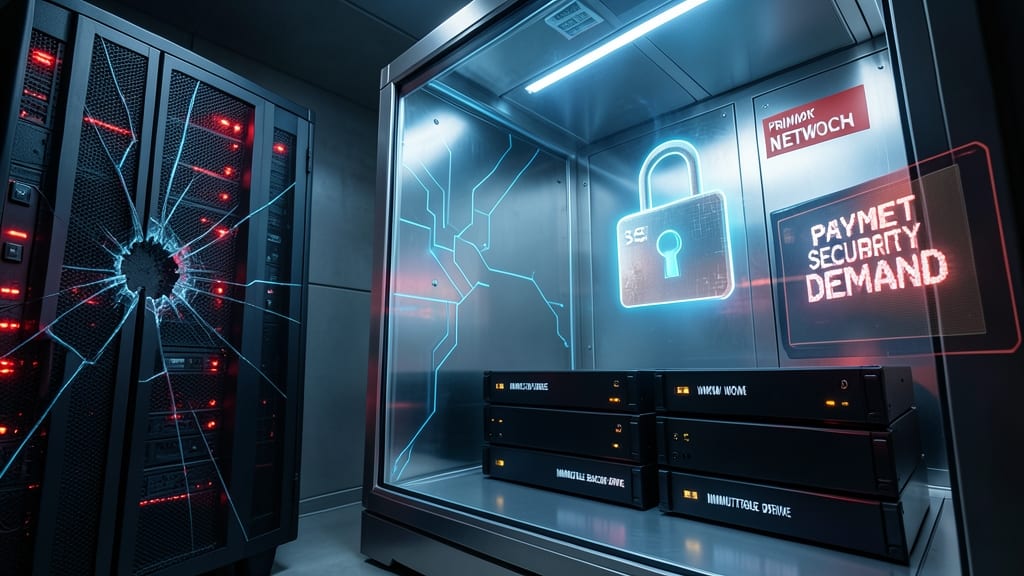
When ransomware locks your files and demands payment, standard backups often become the first casualty—encrypted in the attack. Immutable backup systems solve this by creating write-once, read-many (WORM) copies of your data that attackers can’t alter, even if they breach your primary network.
Solutions like Veeam Immutable Backup or Backblaze B2 with object lock store encrypted snapshots in physically isolated storage (air-gapped or cloud-locked). These systems enforce time-based retention policies, ensuring critical data survives for 30+ days without modification. For healthcare or finance, HIPAA/HITRUST-compliant versions add an extra layer of regulatory protection.
This isn’t just for enterprises—small businesses with critical client data (like law firms or accounting offices) benefit most. Pair it with offline WORM drives for ultra-sensitive assets, and you’ve built a fortress even the most determined attacker can’t crack. ✨
Behavioral Analytics for Anomaly Detection

What if you could spot a hacker in your system before they even steal anything? Behavioral analytics does exactly that by learning normal user patterns—like login times, data access frequency, and device usage—and flagging anything that deviates. Unlike traditional security tools that react to known threats, this approach catches zero-day attacks by identifying suspicious behavior in real time.
Solutions like Darktrace or Exabeam analyze millions of data points to detect anomalies, such as an executive suddenly accessing payroll files at 3 AM or a contractor downloading terabytes of data in minutes. Machine learning models adapt to your organization’s unique rhythms, reducing false positives while ensuring 90%+ detection accuracy for insider threats and compromised accounts.
This isn’t just for Fortune 500s—financial firms, healthcare providers, and even mid-sized businesses handling sensitive data benefit from behavioral analytics. It’s the digital equivalent of a security guard who knows when something feels wrong. ✨
Vendor Risk Assessment Framework

Outsourcing critical functions introduces hidden risks—until you implement a Vendor Risk Assessment Framework (VRAF). This structured approach evaluates third-party security controls before any data exchange occurs, turning potential supply chain vulnerabilities into managed risks.
A robust VRAF includes automated security questionnaires, continuous monitoring dashboards, and contractual compliance tracking for vendors handling PII or financial data. Tools like ServiceNow GRC or OneTrust Vendor Risk streamline the process by scoring vendors against NIST CSF or ISO 27001 benchmarks, with real-time alerts for policy violations.
Perfect for enterprises relying on cloud providers, SaaS platforms, or manufacturing partners—where third-party breaches now account for 60% of supply chain incidents. A proactive VRAF isn’t just compliance; it’s your early warning system for external threats. ✨
Incident Response Playbook Development

When a breach happens, every minute counts—yet many companies waste critical hours scrambling for a response. An Incident Response Playbook turns chaos into action, providing a step-by-step guide to contain threats, recover systems, and restore operations faster than ever.
This isn’t just a document—it’s a battle-tested framework with predefined roles, communication protocols, and escalation paths tailored to your organization’s risks. Studies show proper playbooks can reduce mean time to resolution by 60%, turning potential disasters into manageable incidents. Tools like Splunk ES or IBM Resilient integrate with your existing security stack to automate workflows, ensuring compliance with frameworks like NIST SP 800-61.
Ideal for security teams in regulated industries (finance, healthcare) or any business handling sensitive data, this playbook becomes your secret weapon during crises. 💪